Barriers vs Fencing


Whats the difference between (and when you need both)

at a glance barriers and fencing can look like they’re doing the same job, but they’re not. One controls space, the other controls people. Mix them up? You usually end up with a site that can feel messy or turn into a free-for-all.
What is event fencing actually for?
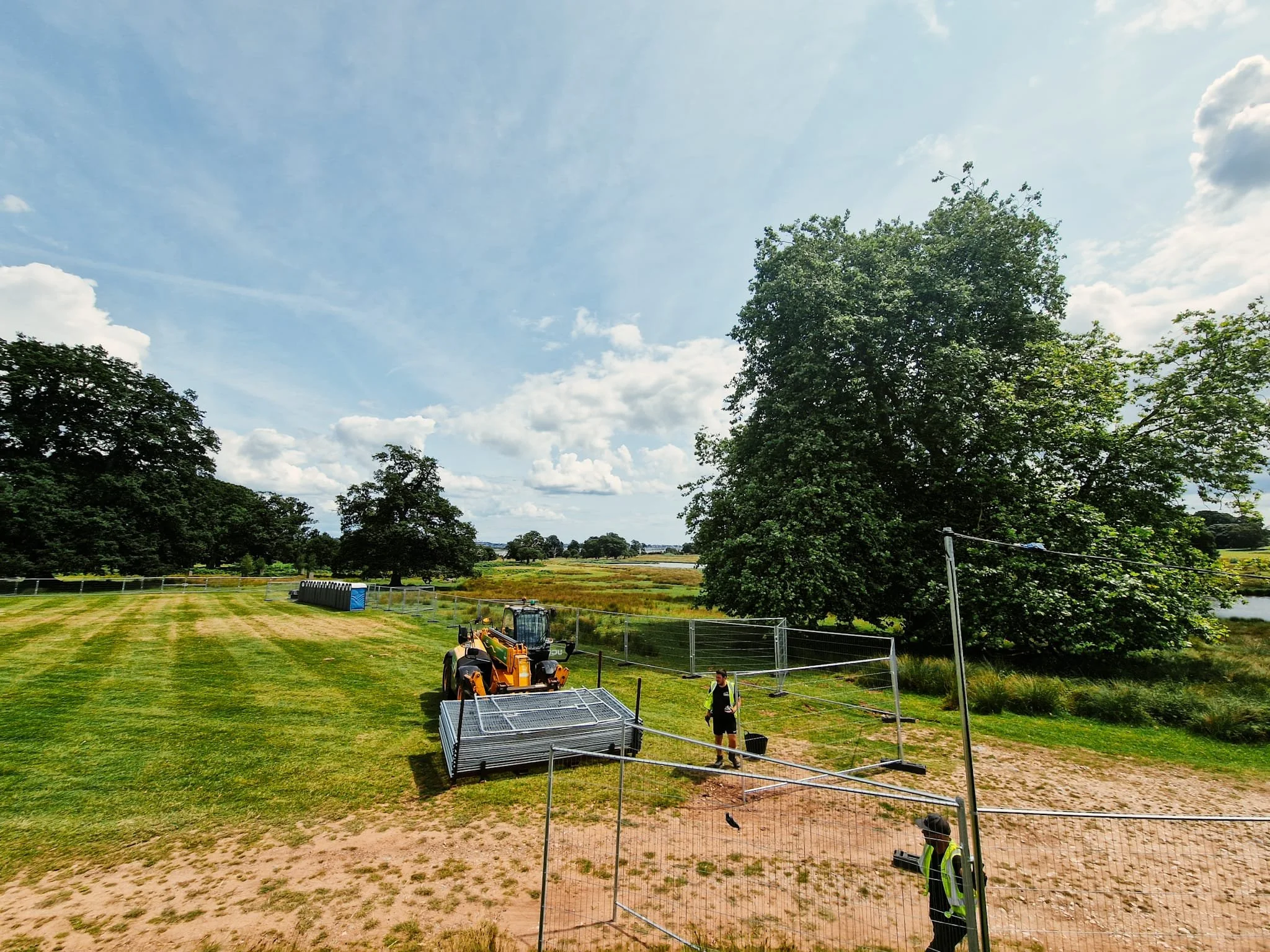
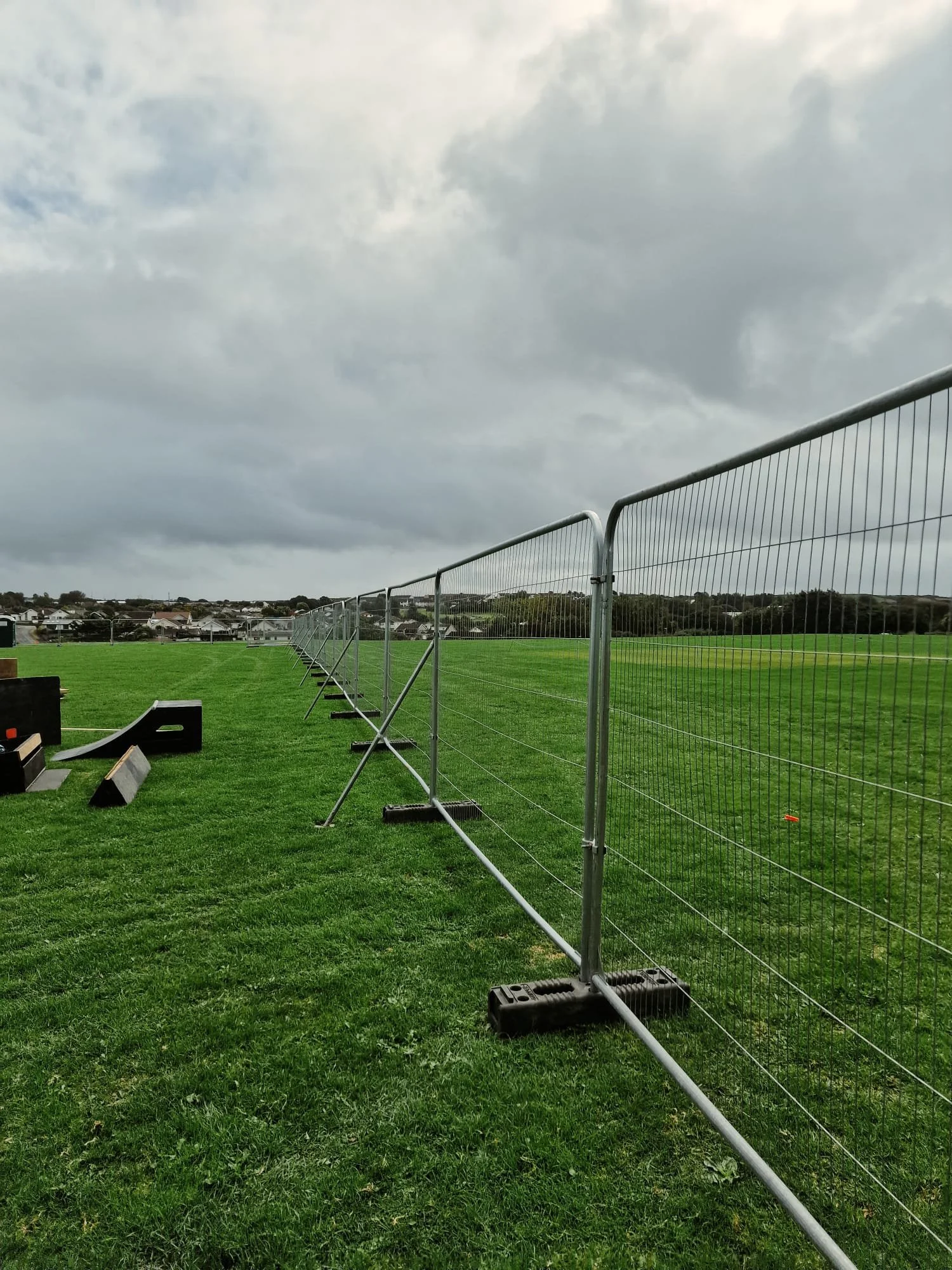
Fencing is your site boundary and perimeter.
its what defines as:
Where your event starts and ends
Where people are allowed (and not allowed)
What’s public vs backstage and a clear “we definitely aren’t allowed in there”
It’s solid, it’s fixed and once it’s in, it’s not meant to be moved.
you’ll typically use fencing for:
Full site perimeters
Back of house areas
Trader compounds & Infills
Generator / plant areas
Anywhere that needs to be properly secured.
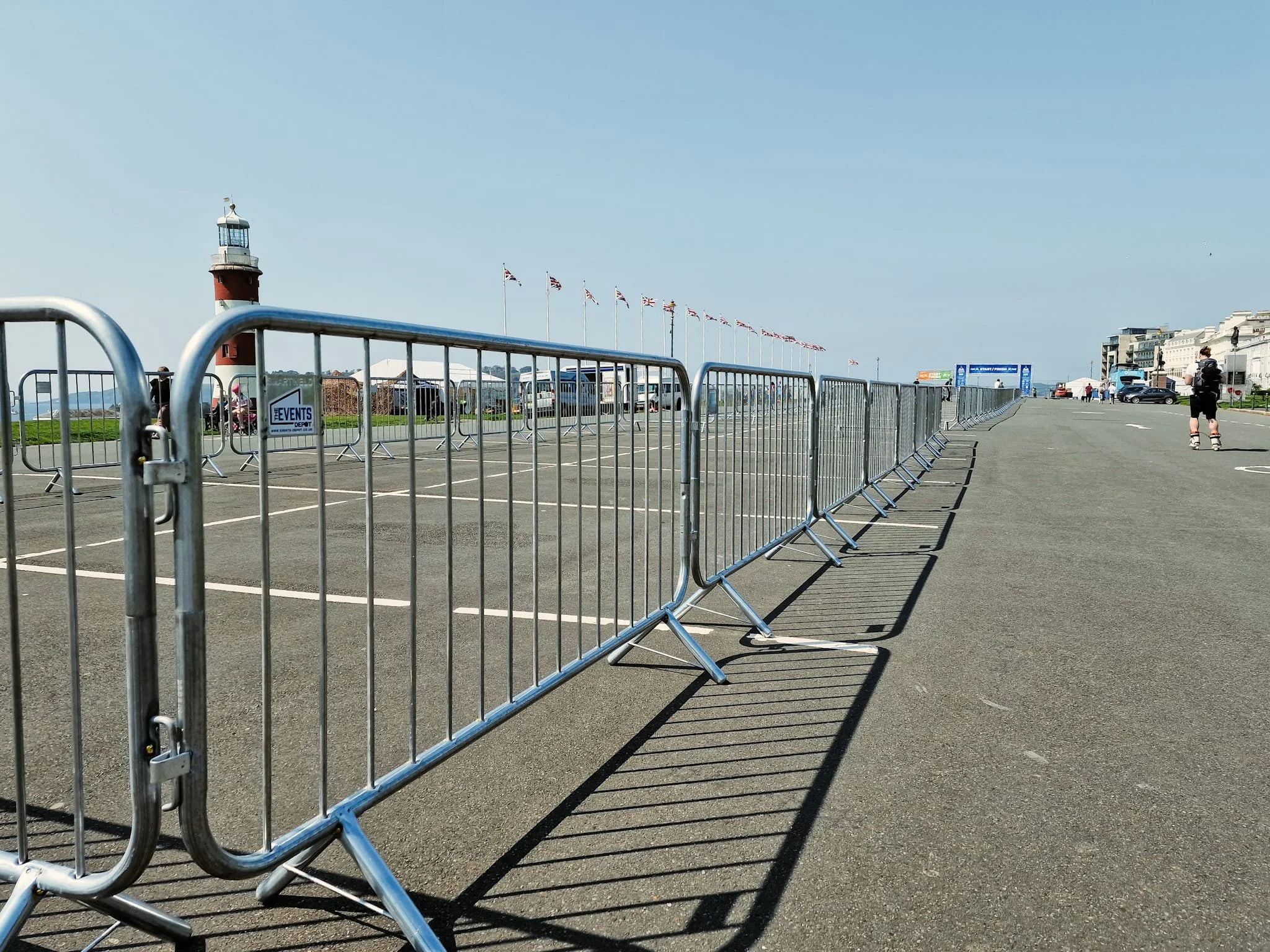
What are crowd barriers for?
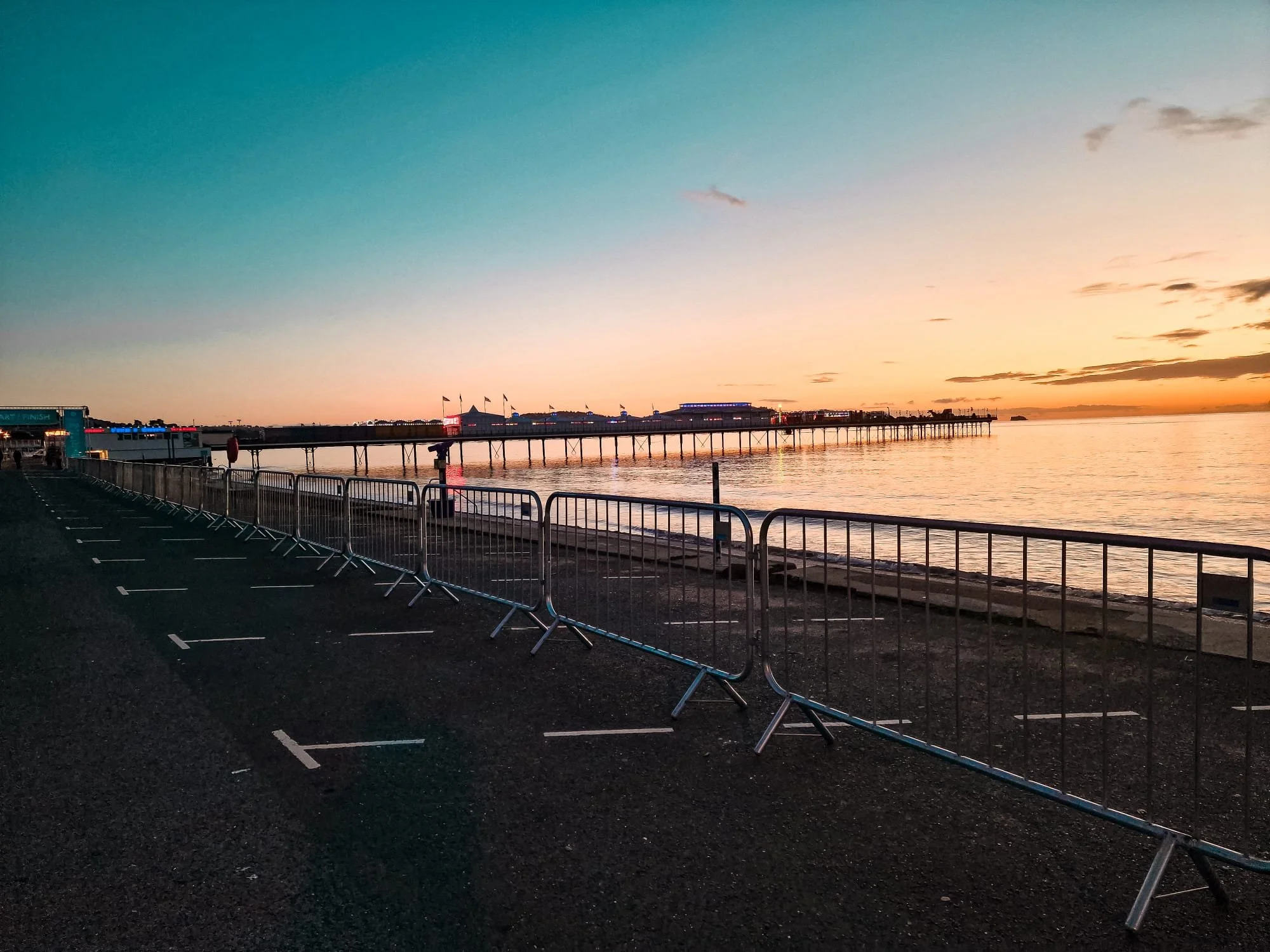
Barriers are all about movement and control, not security.
They guide people rather than stop them.
You’ll see them used for:
Queue systems (bars, food traders, entry & exit points)
Start and finish lines
Creating Walkways
Separating spaces without fully closing them off
they’re lighter, easier to reposition and built to be moved 3 times every hour.
When you need both (which is most events)
This is where things actually start working properly, and you’ve got all the kit you need in the right places.
A typical set up could look like
Fencing around the perimeter
barriers at entrances and busy areas
both working together where control and access overlap

Entry Points
Fencing creates the boundary.
Barriers create the queue
Backstage
Fencing secures it
Barriers help manage access
Food & bar areas
Barriers stop it turning into a free for all.
where it usually goes a bit wrong
Using barriers as fencing
looks alright.. until people just move them.
Not using barriers at all
queues spill everywhere and suddenly there is no structure.
Forgetting gates and access
Solid fence line… but no one can actually get through it properly.
“We’ll sort it on the day”
Famous last words
Planning a site?
It doesn’t need to be the perfect drawing.
Even a rough plan with a few notes is enough to start figuring out:
Where fencing actually needs to go
Where barriers will make a difference
What you don’t need to overcomplicate.